
Responsible reptile ownership
Reptile Myth Busters
Replace confident guesses with responsible questions.
Good care improves when we separate memorable shortcuts from species-specific evidence, observation, and professional guidance.
- Question absolutes
- Check the species
- Use current sources
Fiction versus a better frame
Six myths worth retiring
Open each card for the practical care principle underneath it.
 01MythReptiles are easy because they need very little care.
A better frame: Reptiles need consistent observation and species-appropriate heat, light, humidity, nutrition, hygiene, and veterinary planning.
 02MythA starter tank will work for life.
A better frame: Many reptiles are sold young. Plan the enclosure around adult size, movement, natural behavior, and maintenance.
 03MythHeat rocks are the simplest heat source.
A better frame: Direct-contact heat can cause serious burns. Use a reviewed heat plan with appropriate equipment and reliable control.
 04MythIf the animal is eating, the setup must be correct.
A better frame: Appetite is only one signal. Track behavior, weight, waste, sheds, posture, hydration, and environmental readings.
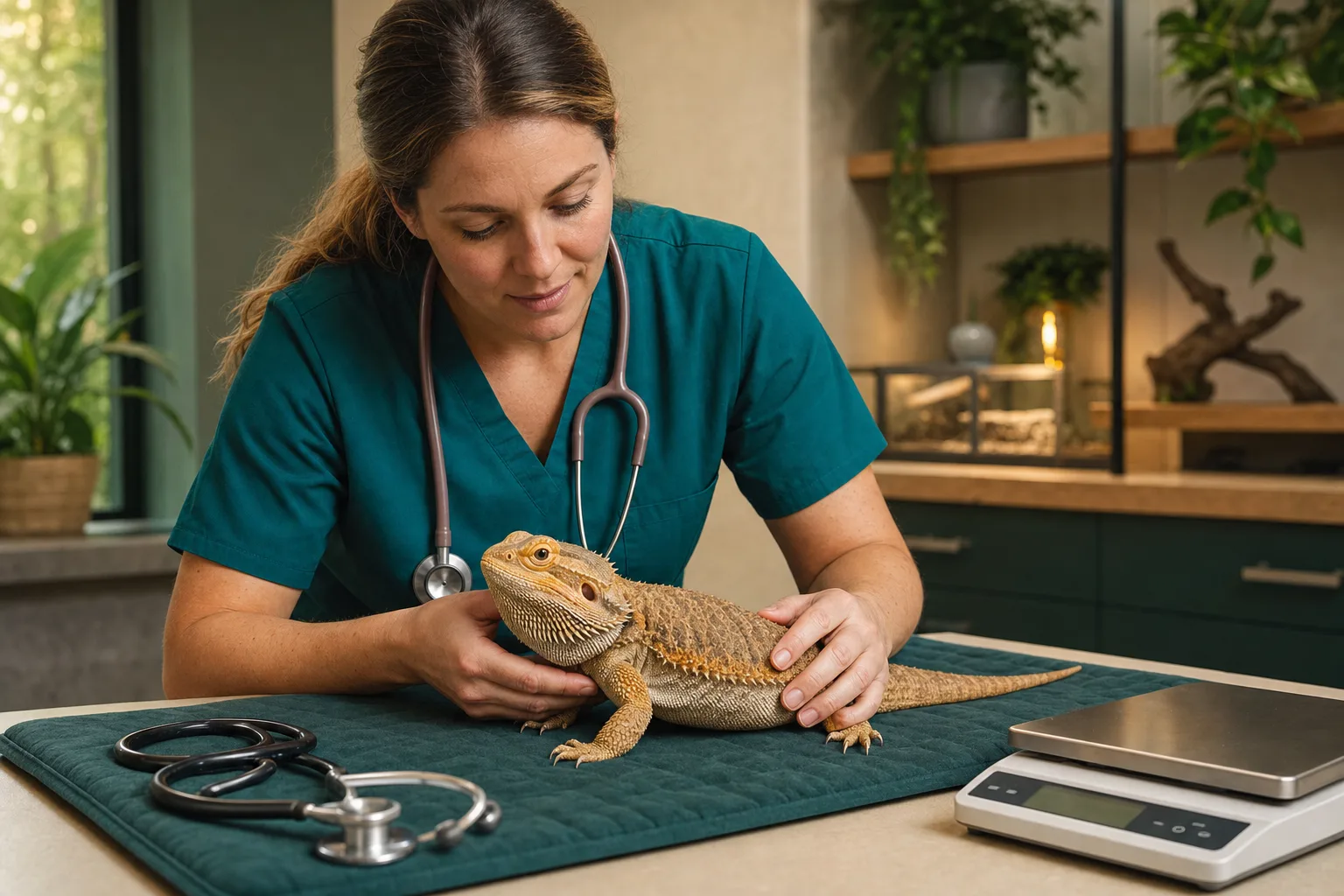 05MythReptiles do not need veterinary care.
A better frame: Reptiles can become ill and may mask symptoms. Establish routine and emergency veterinary options in advance.
 06MythA small turtle will always stay small.
A better frame: Adult size and lifespan vary widely. Some commonly sold aquatic turtles require substantial filtered systems and decades of care.