
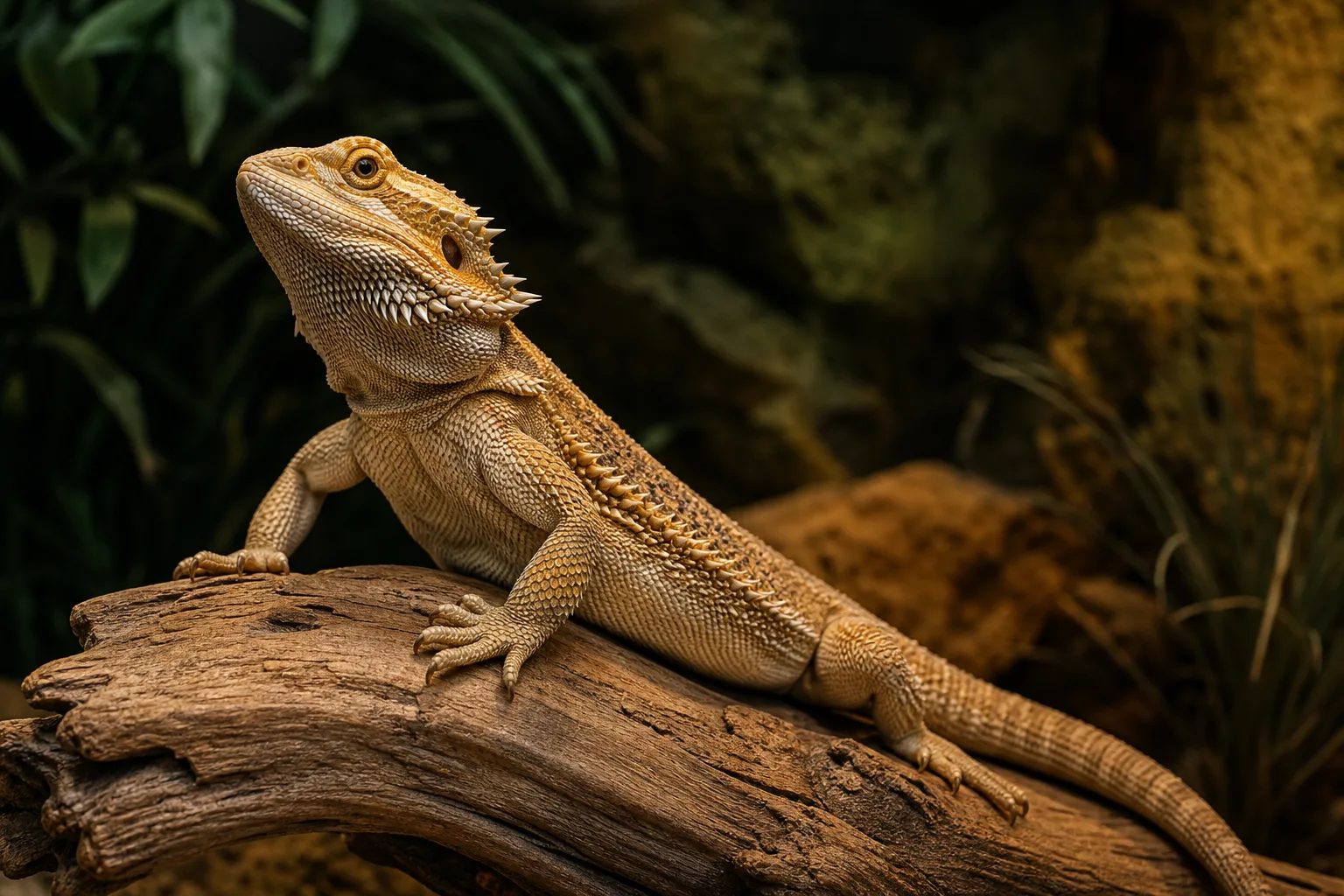
Beginner
Bearded Dragon
- Typical commitment
- Often 10+ years
- Adult form
- Medium lizard
- Often described as
- Often alert and tolerant
Large enclosure, UVB, heat, and varied diet
Compare in the species finder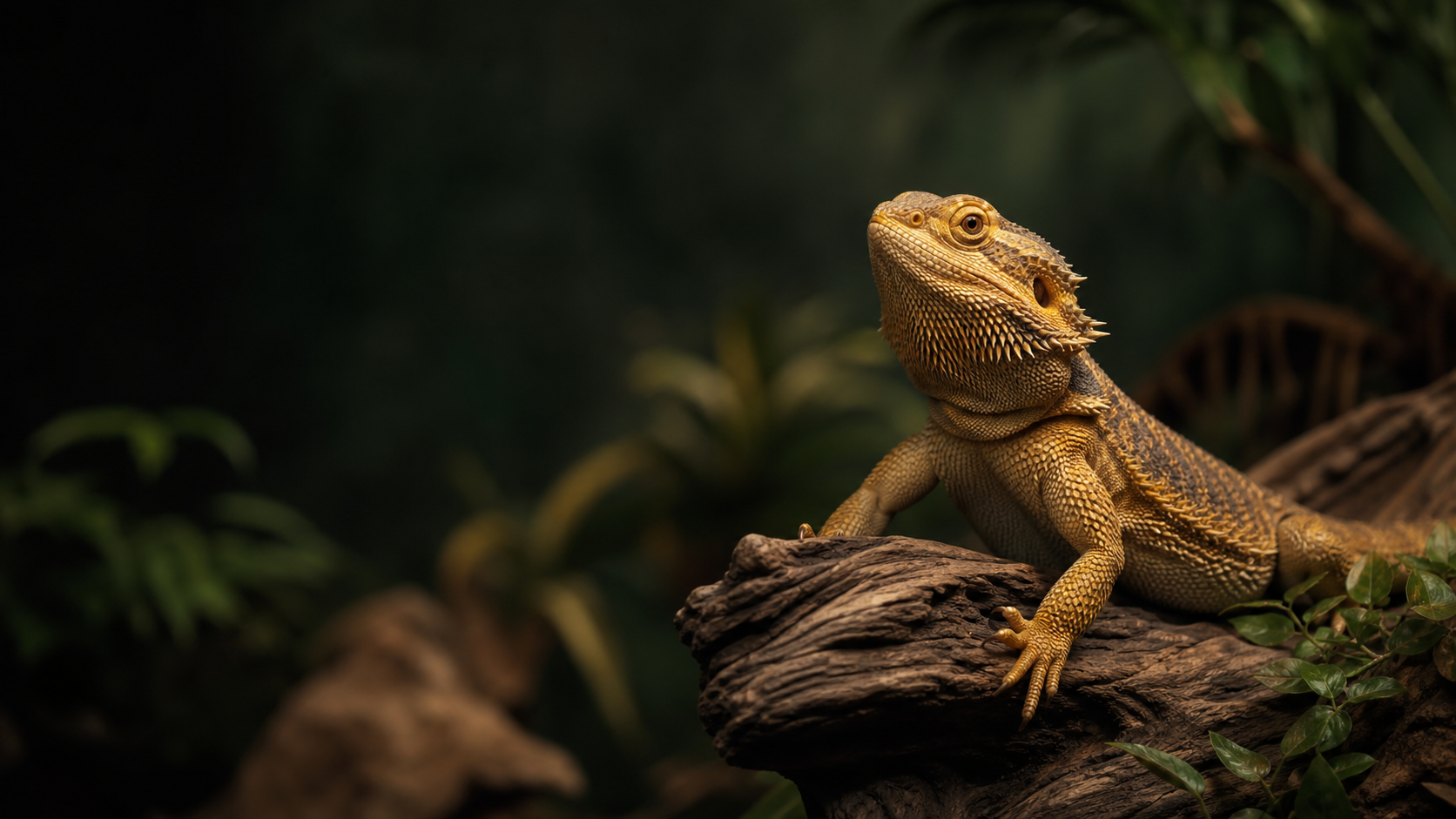
Lizards care center
Active. Intelligent. Remarkably diverse.
From geckos to dragons and skinks, compare the very different lighting, diet, space, and behavior needs of pet lizards.
Compare the commitment
These summaries help narrow the field. They are not complete care sheets; confirm current guidance before choosing an animal.
Large enclosure, UVB, heat, and varied diet
Compare in the species finder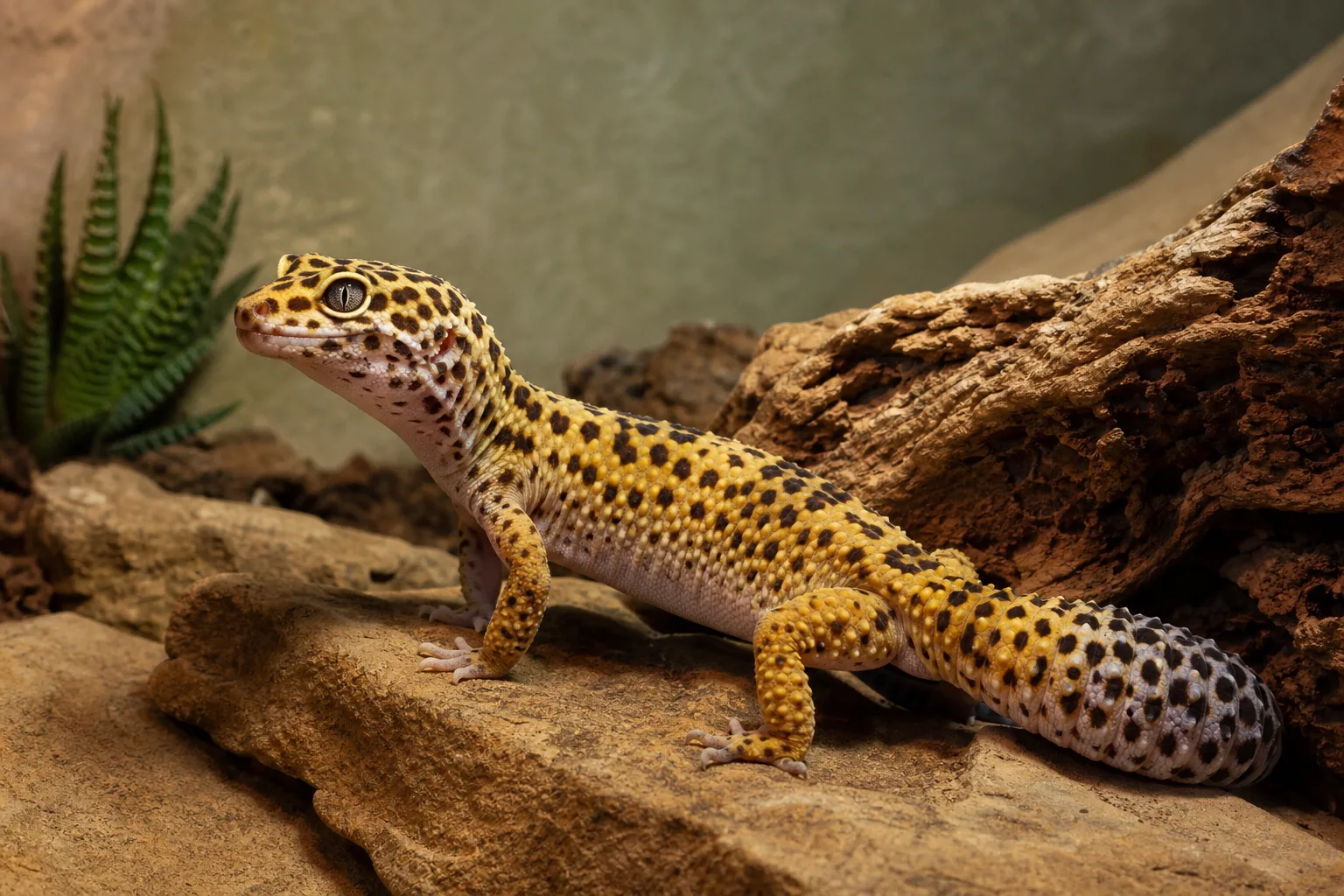
Heat gradient and live feeder care
Compare in the species finder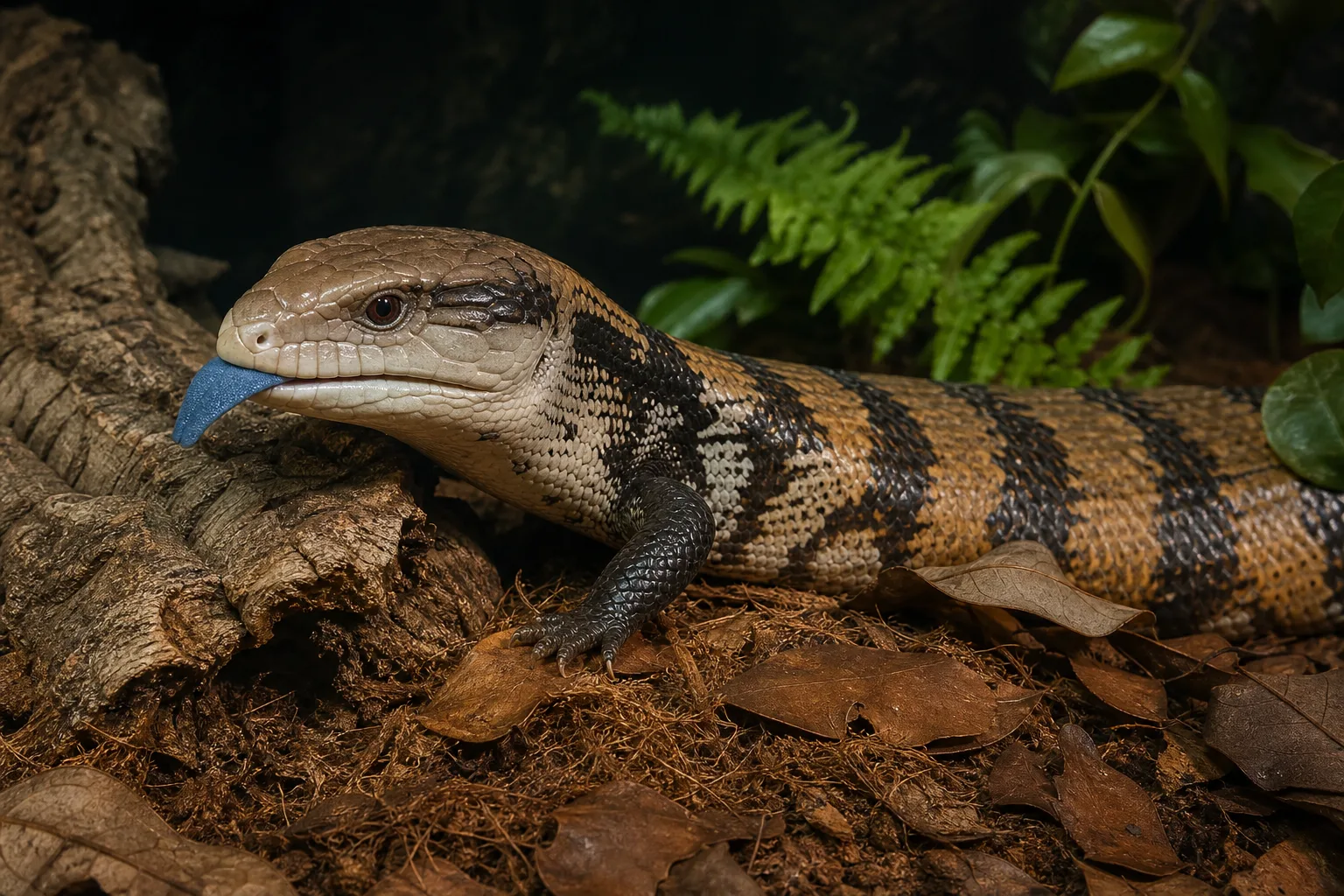
Substantial floor space and varied diet
Compare in the species finder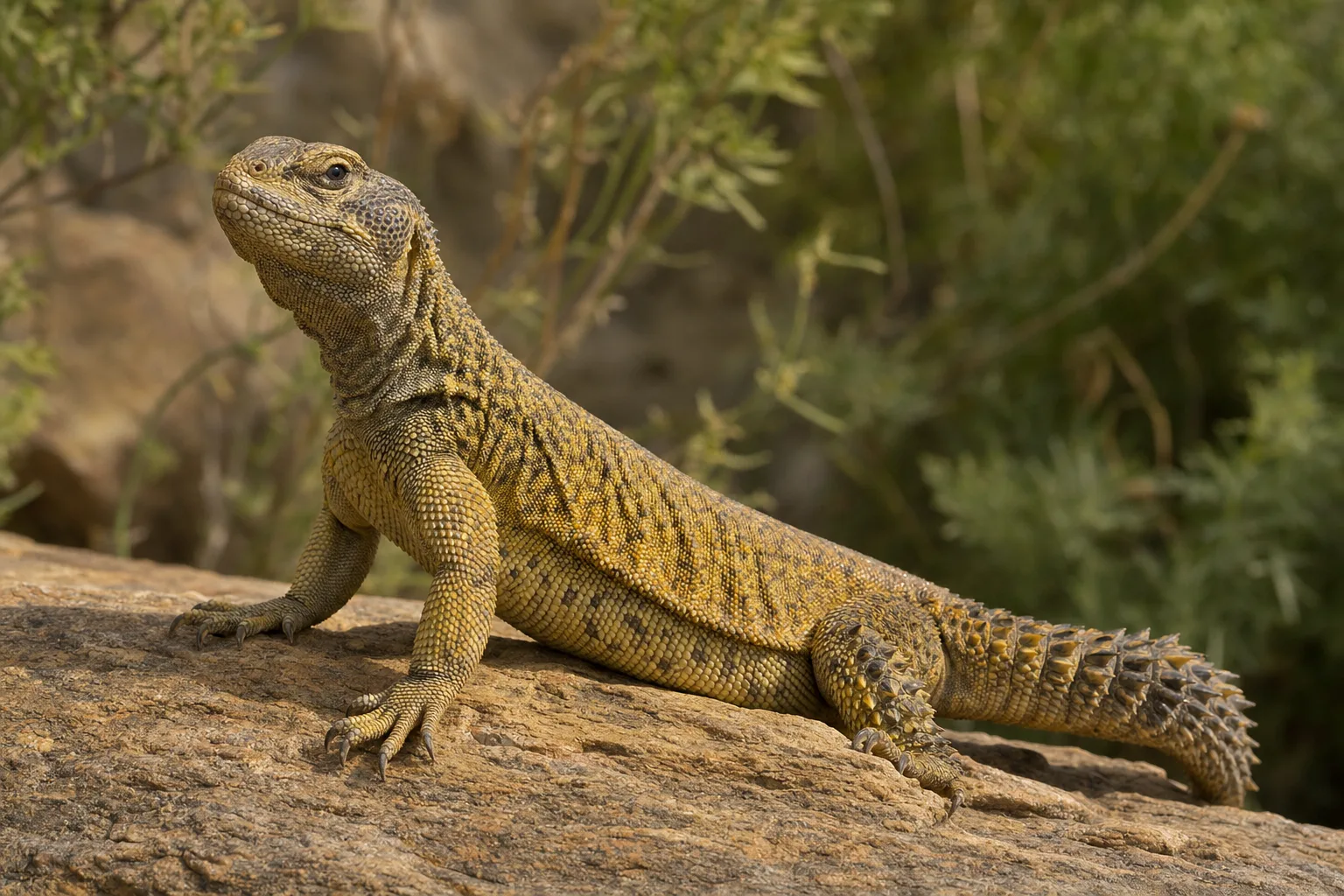
High-output lighting and carefully planned diet
Compare in the species finderBuild the care system
A species page should connect the daily routine, the environment, the animal’s natural history, and the signs that something is changing.
The responsible path
Plan for full size, full lifespan, full equipment, routine veterinary care, travel, housing changes, and the cost of doing it well.
Open the planning resources